Pet Product Brands
Custom product development, functional differentiation, sample validation, branding, packaging, and repeat-production planning.
Lemeng supports custom silicone pet product development for pet brands, private-label companies, retail distributors, and product developers through use review, mold development, controlled molding, branding, packaging, and project-specific testing support.
The page supports B2B teams evaluating product development, private-label programs, retail distribution, and controlled repeat production.
Custom product development, functional differentiation, sample validation, branding, packaging, and repeat-production planning.
Selected products or new designs with controlled colors, logo treatment, retail packaging, and market requirements.
Application-led product programs aligned with channel, labeling, packaging, documentation, and supply expectations.
Concept, CAD, drawing, sample, material, tooling, use-condition, and validation review before production.
Pet solutions are organized by use scenario rather than an SKU wall. Each project is reviewed around animal size, contact mode, cleaning, supervision, target market, branding, and packaging.
Projects are reviewed around animal size, stability, contact, spill control, cleaning, storage, branding, and intended market.
Discuss this use requirementGeometry, access, supervision, cleaning, surface detail, durability expectations, and application warnings are defined by project.
Discuss this use requirementGrip, flexibility, bristle geometry, contact feel, cleaning, hanging or storage features, and packaging are reviewed.
Discuss this use requirementFoldability, support, attachment, storage, outdoor exposure, cleaning, packaging, and use instructions are considered.
Discuss this use requirementProjects can begin from a concept, drawing, selected base product, physical sample, or packaging brief. Feasible options are confirmed during engineering review.
Develop or modify geometry around use, stability, cleaning, storage, grip, or animal interaction.
Review approved color references against material, process, appearance, and sample controls.
Evaluate molded, embossed, debossed, printed, labeled, or other suitable branding routes.
Coordinate labels, instructions, warnings, inserts, boxes, barcodes, and master-carton requirements.
Connect DFM, mold strategy, machining, trials, corrections, approval samples, and maintenance.
The review connects product use, user and animal interaction, drawings, samples, target market, quantity, branding, and packaging with engineering and production decisions.
Concept, drawing, CAD, sample, application, animal size, target market, quantity, branding, packaging, and test expectations.
Decision / OutputA controlled requirement brief with missing information and priority decisions.
DFM, material, structure, contact, cleaning, supervision, process, tooling, assembly, and inspection considerations.
Decision / OutputA feasible development route with risk items, clarification needs, and proposed controls.
Prototype, dimensions, appearance, color, function, packaging, agreed test scope, and customer feedback.
Decision / OutputApproved sample, specification, test plan, and controlled change record where applicable.
Released tooling, approved material, process instructions, inspection plan, packaging, and documentation list.
Decision / OutputControlled molding, inspection, packing, records, and authorized release.
Material and testing requirements are evaluated against the intended application, animal size, contact type, cleaning method, temperature, environment, target market, and customer protocol.
| Requirement | Evaluation | Support |
|---|---|---|
| Food or water contact | Material, color, finished-product construction, contact conditions, target market, and requested protocol. | Review available documents and coordinate applicable third-party testing after project scope confirmation. |
| Active or supervised use | Animal size, expected behavior, access duration, geometry, edges, surface, and supervision instructions. | Document assumptions, sample-review points, warnings, and project-specific validation responsibilities. |
| Cleaning and environment | Cleaning method, detergent, temperature, indoor or outdoor exposure, storage, and repeated-use expectations. | Review material and design considerations and define agreed sample or testing checks. |
| Customer or retailer protocol | Restricted substances, test methods, labeling, warning, inspection, packaging, and reporting requirements. | Review the protocol before quotation and confirm supported items in the project plan. |
Project-selected solid silicone or liquid silicone rubber where suitable to design and process.
Specification, available supplier documents, and applicable sample or test approval.Defined around geometry, support, grip, foldability, feel, and manufacturing route.
Approved material and sample; numeric range confirmed after review.Approved reference plus process-appropriate molded, printed, labeled, or other branding.
Signed sample, artwork, placement, appearance, and tolerance method.Private-label packaging, labels, warnings, inserts, barcodes, cartons, and supplied specifications.
Artwork, packing sample, transport requirement, and controlled packing specification.Defined by product complexity, tooling, sampling, testing, material, packaging, and production plan.
Project quotation and approved schedule; no universal MOQ or lead time is published.The route connects use requirements with material selection, tooling, sample validation, controlled production, inspection, packaging, and agreed documentation.
Application, animal size, interaction, supervision, cleaning, target market, quantity, and references.
Material route, hardness, color, contact, cleaning, molding, inserts, and documentation needs.
DFM, mold strategy, design, machining, fitting, trial, correction, and controlled records.
Dimensions, appearance, color, function, use assumptions, packaging, and agreed testing review.
Controlled molding, inspection, secondary processing, assembly, packaging, and final release.
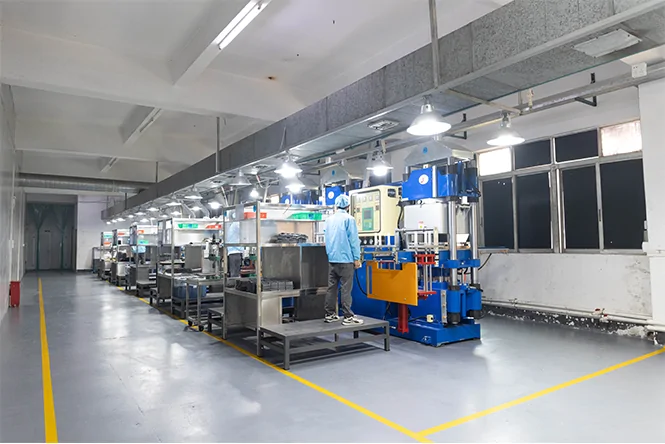
Final requirements are confirmed through use review, quotation, engineering approval, approved samples, testing scope, and project documentation.
Yes. A project can begin with a concept, drawing, CAD file, physical sample, or selected reference. Use conditions and missing requirements are reviewed before material, tooling, validation, production, and quotation are confirmed.
Private-label programs can include selected products or new designs with project-specific color, branding, packaging, instructions, documentation, quantity, and market requirements.
Review considers the intended use, animal size, contact type, cleaning method, environment, target market, selected material, finished product, and customer or retailer protocol.
Useful inputs include the application, animal size, concept or drawing, dimensions, target market, quantity, material expectations, branding, packaging, cleaning conditions, and any testing protocol.
Project-specific material or finished-product testing can be reviewed and coordinated after the product, intended contact, target market, selected material, color, and applicable protocol are confirmed.
Timing depends on design readiness, complexity, mold structure, material, sampling rounds, packaging, testing, and approval requirements. A schedule is confirmed after engineering review.
Share the application, animal size, concept or drawing, target market, expected quantity, material, branding, packaging, and testing requirements currently available.
Suggested project files: PDF, CAD export, drawing, specification, or reference image. Current server upload limit: 100 MB. Final file rules are controlled by the form configuration.
By submitting project information, you acknowledge that Guangdong Huayang Industrial Co., Ltd. processes the RFQ data as described in the Privacy Policy.