Geometry & Moldability
Wall transitions, undercuts, draft, parting, gates, vents, ejection, flash-sensitive zones, and deformation risks.
Lemeng develops and manufactures custom silicone parts from drawings, CAD files, specifications, or physical samples. Projects can include DFM, material and process selection, tooling, prototypes, validation support, molding, inspection, documentation, and scalable production.
Development begins by converting available technical inputs into a controlled requirement list, open-question log, review plan, and quotation basis.
The review identifies how geometry, interfaces, material, tooling, molding, inspection, validation, and production objectives affect one another.
Wall transitions, undercuts, draft, parting, gates, vents, ejection, flash-sensitive zones, and deformation risks.
Mating parts, compression, retention, inserts, overmold interfaces, fit targets, assembly sequence, and service conditions.
Datums, critical dimensions, measurement methods, fixtures, visual zones, functional checks, sampling, and records.
Revision ownership, approved samples, deviations, revalidation triggers, documents, and production-release authority.
DFM converts design intent into a manufacturable and inspectable proposal before tooling and production assumptions become commitments.
| Review Area | Engineering Evaluation | Project Output |
|---|---|---|
| Geometry | Wall sections, transitions, draft, undercuts, parting, gate and vent concepts, ejection, flash areas, and deformation risk. | Drawing feedback, moldability questions, proposed revisions, and controlled quotation assumptions. |
| Interfaces | Mating geometry, compression, retention, inserts, substrates, assembly sequence, movement, sealing, and service environment. | Interface recommendations, assembly inputs, sample checks, and validation questions. |
| Inspection | Critical characteristics, datums, access, measurement method, fixtures, visual zones, functional checks, sampling, and records. | Preliminary inspection route, unresolved measurability risks, and evidence requirements. |
| Tooling & Change | Tool concept, cavities, trial route, revision control, approved samples, deviations, maintenance, and revalidation triggers. | Tooling proposal, controlled release stages, approval ownership, and change-control plan. |
Selection is based on operating conditions, geometry, function, molding route, evidence needs, and customer requirements—not a generic material label.
Temperature, fluids, chemicals, outdoor exposure, cleaning, sterilization requests, and expected service conditions.
Compression, flexibility, tear needs, rebound, movement, sealing, damping, retention, and expected loading.
Wall sections, size, complexity, inserts, substrate interfaces, surface, color, and intended molding route.
Insulation, conductivity, key response, light transmission, pigmentation, surface, and assembly considerations.
Target market, customer specification, requested standards, available supplier documents, and evidence gaps.
Material samples, color references, test plans, approved records, lot identity, and change-notification expectations.
Project-specific decision: Final suitability and supporting evidence are confirmed for the individual component and may require project-specific testing.
The manufacturing route is selected after reviewing material form, geometry, quantity, inserts, surface, dimensional priorities, validation, and production objectives.
Reviewed for suitable solid-silicone materials, geometry, quantity, tooling strategy, flash control, inspection, and secondary operations.
Reviewed for compatible liquid-silicone materials, geometry, gating, automation objectives, dimensional priorities, and production volume.
Reviewed where silicone interfaces with approved plastic, metal, or other substrates through controlled preparation, retention, and sequence.
Transfer, insert molding, secondary bonding, assembly, or another route may be evaluated when component inputs justify it.
A useful prototype has a defined purpose, known relationship to the intended production route, measurable acceptance criteria, and controlled approval status.
Clarify whether the prototype is for appearance, fit, assembly, material, function, test preparation, process development, or approval.
Evaluate method, material similarity, tooling level, quantity, cost, time, and limitations relative to intended production.
Use the agreed drawing, method, fixture, environment, sample quantity, acceptance criteria, and document format.
Record results, revisions, deviations, unresolved risks, revalidation triggers, approvers, and the production-release decision.
Production follows the approved drawing, material, tooling, sample, process, inspection, documentation, packaging, and change-control baseline.
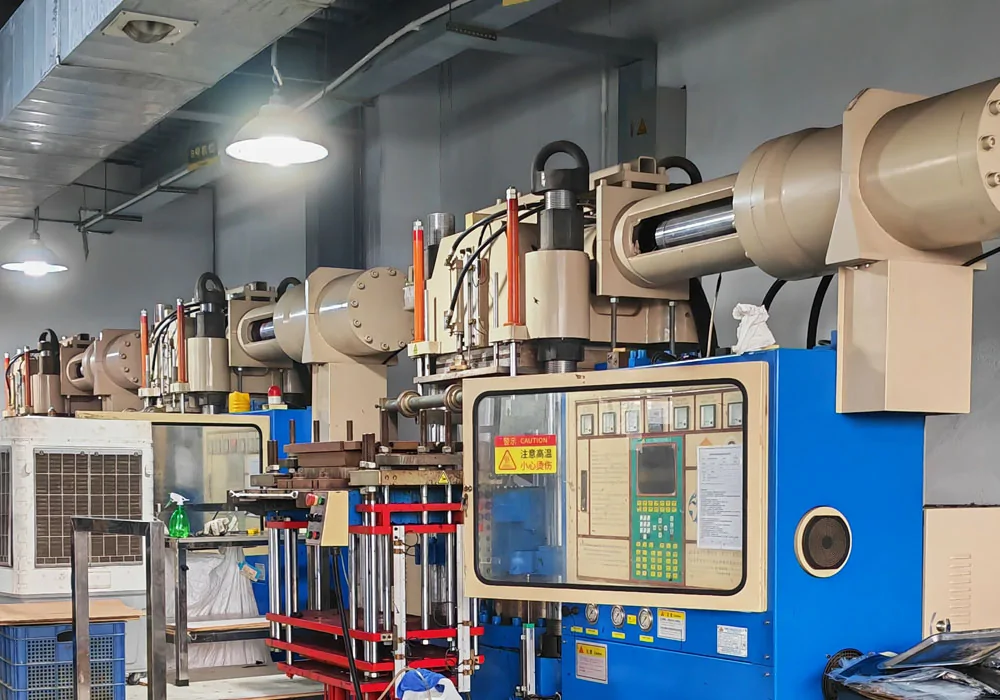
Confirm tool identity, revision, trial status, approved changes, setup requirements, maintenance, and ownership records.
Use the approved process route, work instructions, startup checks, critical process inputs, handling, and secondary operations.
Apply agreed material identification, in-process checks, final inspection, lot linkage, nonconformance control, and release records.
Follow approved packaging, labeling, quantity, documentation, shipment release, change control, and repeat-order baseline.
Quality controls connect material identity, tool revision, process monitoring, inspection, release, traceability, and agreed documentation.
Control methods and records vary by component and customer. No tolerance, process capability, inspection level, or defect result is claimed without project evidence.
| Control Area | Review Focus | Possible Evidence |
|---|---|---|
| Material | Approved material identity, supplier records, color or batch controls, storage, preparation, and change notification. | Incoming records, lot references, approved specifications, and project documentation. |
| Tooling | Tool identity, revision, maintenance, setup, cavity status, inserts, trial history, and approved changes. | Tool records, setup instructions, maintenance history, trial and approval records. |
| Molding Process | Approved route, critical inputs, startup verification, in-process monitoring, handling, and secondary operations. | Work instructions, parameter records where applicable, in-process checks, and operator records. |
| Inspection | Datums, critical dimensions, visual criteria, functional tests, fixtures, sampling, acceptance, and nonconformance. | Inspection reports, test results, approval records, and controlled deviations. |
| Release & Traceability | Identification, packaging, labels, quantity, lot linkage, documents, retention, and shipment release. | Release record, labels, packaging approval, traceability references, and agreed shipment documents. |
Reviewer identity, department, date, status, and evidence level remain visible so unsupported approval is not implied.
Feasibility, material suitability, tolerances, performance, and evidence remain subject to project-specific engineering and validation.
Yes. A project can begin with a 2D drawing, 3D CAD model, physical sample, specification, or a combination of inputs. Engineering review identifies missing requirements, manufacturability questions, tooling options, inspection needs, and quotation assumptions before feasibility is confirmed.
The route is selected after reviewing material form, geometry, quantity, tolerance expectations, surface requirements, inserts or substrates, validation needs, and production objectives. Compression molding, liquid silicone rubber molding, overmolding, or another reviewed route may be considered.
Material selection is reviewed against operating environment, temperature, chemicals or fluids, compression or flexibility, color, customer requirements, processing route, and available technical evidence. Final suitability remains project-specific and may require testing.
Prototype options can be evaluated according to component geometry, material, functional objective, quantity, and required similarity to the intended production process. The selected route and its limitations are documented before samples are approved.
Useful inputs include critical dimensions, tolerance expectations, visual criteria, functional requirements, test methods, inspection level, traceability, documentation, packaging, and approval requirements. Unspecified criteria are clarified during engineering review.
Submit available 2D drawings, 3D CAD files, specifications, photos or samples, material expectations, order and annual quantities, operating conditions, target market, required tests, inspection criteria, packaging needs, and target schedule.
Share the available drawing, CAD model, sample, specification, application conditions, quantity, material expectations, validation, inspection, documentation, and target schedule.
Suggested project files: PDF, CAD export, drawing, specification, or reference image. Current server upload limit: 100 MB. Final file rules are controlled by the form configuration.
By submitting project information, you acknowledge that Guangdong Huayang Industrial Co., Ltd. processes the RFQ data as described in the Privacy Policy.