Incoming Material
Approved specifications, supplier documents, identification, lot records, storage, preparation, and change notification.
Lemeng manages quality through project-defined material review, tooling and process controls, sample validation, inspection, testing support, documentation, traceability, and authorized release.
The system follows the product from incoming material through process controls, inspection, records, and release. Exact controls are defined in the project quality plan.
Quality is not a final inspection activity alone. It begins with controlled requirements and continues through evidence, decisions, and change management.
Approved specifications, supplier documents, identification, lot records, storage, preparation, and change notification.
Tooling status, approved route, setup, sample approval, monitoring, handling, assembly, and nonconformance response.
Dimensions, visual criteria, function, tests, fixtures, sampling, traceability, and acceptance decisions.
Reports, approvals, deviations, packaging, labels, certification records, document control, and shipment release.
The material control route links the approved specification to supplier evidence, physical identification, storage conditions, production use, and traceability.
Approved type, project performance needs, color, application, market, and evidence scope.
Applicable specifications, declarations, test data, lot documents, and change information.
Material label, batch or lot linkage, receiving record, status, and sample or check requirements.
Storage, segregation, handling, shelf or status control where relevant, and authorized production use.
Monitoring connects approved tooling, molding, assembly or secondary operations, inspection, issue response, and controlled release. Controls vary according to process and product risk.
Tool identity, revision, setup, maintenance, trial history, approved changes, and production-release status.
Approved route, start-up verification, project-defined inputs, in-process checks, handling, and change control.
Instructions, components, preparation, decoration, trimming, assembly, verification, and defect prevention.
Inspection method, sampling, records, nonconformance, containment, disposition, corrective action, and release.
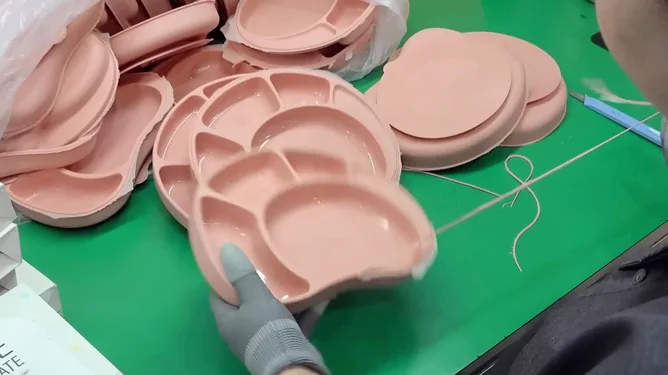
Each gate answers a different release question. An incomplete gate triggers review, containment, correction, deviation, or revalidation—not automatic progression.
Is the correct material identified, documented, accepted, and released for the project?
RequiredIs the correct tool revision ready, maintained, trialed, and authorized for production?
RequiredDo samples meet defined dimensional, visual, functional, testing, and approval needs?
By projectAre process output, critical characteristics, defects, records, and reactions controlled?
ControlledAre product, quantity, packaging, labels, documents, traceability, and approval complete?
AuthorizedA requirement must be linked to the correct product, material, sample, method, laboratory or inspection source, result, revision, and release decision.
Documents are not interchangeable. A material declaration, product test report, inspection record, and management-system certificate support different claims and scopes.
| Requirement | Evaluation | Documentation Support |
|---|---|---|
| Material Evidence | Material identity, supplier, specification, application, market, lot or batch relevance, and requested claim. | Applicable supplier documents, declarations, data, incoming records, and project review notes. |
| Product Testing | Product or sample identity, test method, laboratory, acceptance criteria, market or customer protocol, and change impact. | Approved sample record, test request, third-party report where required, result review, and release status. |
| Inspection Reports | Drawing revision, characteristics, method, equipment or fixture, sampling, result format, and responsibility. | First-article, dimensional, visual, functional, final, or agreed inspection report. |
| Traceability | Required link between material, tooling, process, inspection, packaging, lot, documents, and shipment. | Identification, production, inspection, label, and release records defined by project. |
| Customer Documents | Document list, format, language, confidentiality, approval, retention, delivery point, and revision. | Controlled project dossier containing only applicable, current, approved-for-release records. |
Certification trust depends on the holder, covered site, scope, status, dates, issuing body, evidence file, and relevance to the requested project—not the presence of a logo.
| Name | Scope | Status | Issue Date | Expiry Date | Evidence File |
|---|---|---|---|---|---|
| Certification record | Holder, covered site, scope, status, dates, issuing body, evidence, and project relevance are not published until verified. | Pending Review | — | — | Verification required before publication |
Answers describe the control approach without promising a document, certification, test result, or inspection scope that has not been confirmed.
Quality controls are defined from approved project requirements and may cover incoming material review, tooling status, sample validation, process monitoring, in-process and final inspection, testing, traceability, packaging, documentation, nonconformance control, and release approval.
Inspection reports can be planned when the required characteristics, drawing revision, method, sampling, format, responsibility, and retention period are agreed. Report availability and content are confirmed in the quotation and quality plan.
Material verification may include approved specifications, supplier documents, identification and lot records, incoming checks, storage controls, sample or test requirements, and change notification. Evidence depends on the material, application, market, and customer protocol.
Customer, retailer, application, or market-specific testing can be reviewed for the approved material and product. The method, sample identity, laboratory, acceptance criteria, report ownership, timing, and change impact must be defined by project.
The response route may include containment, affected-product identification, investigation, disposition, corrective action, verification, documentation, customer communication, and change control. The exact route depends on project risk and requirements.
Available material, testing, inspection, traceability, and certification records can be reviewed against the requested list. Documents are supplied only when applicable, current, within scope, approved for release, and connected to the relevant product or project.
Share the product, target market, applicable requirements, inspection plan, testing scope, document list, traceability needs, and current project stage for review.
Suggested project files: PDF, CAD export, drawing, specification, or reference image. Current server upload limit: 100 MB. Final file rules are controlled by the form configuration.
By submitting project information, you acknowledge that Guangdong Huayang Industrial Co., Ltd. processes the RFQ data as described in the Privacy Policy.