Baby Product Brands
Owned concepts requiring controlled development, documented approvals, brand consistency, and repeatable production.
Lemeng supports custom silicone baby product development for brands, private-label companies, retailers, and product developers through controlled material review, engineering, tooling, molding, packaging, testing coordination, and project documentation.
The sourcing route is adapted to product ownership, sales channel, documentation, packaging, testing, and launch requirements.
Owned concepts requiring controlled development, documented approvals, brand consistency, and repeatable production.
Product ranges requiring defined colors, branding, packaging, labels, documentation, and a clear existing-product or custom-mold route.
Programs with channel-specific packaging, test protocols, documentation, assortment planning, and supplier onboarding requirements.
Concepts, drawings, and samples requiring engineering review, material consideration, tooling, prototypes, validation, and production transfer.
Applications are organized by use case rather than SKU volume. Each route requires its own age, contact, geometry, cleaning, testing, labeling, and target-market review.
Bibs, spoons, feeding accessories, mats, and related concepts reviewed around intended age, handling, contact, cleaning, and brand requirements.
Review material and evidence needsBowls, plates, cups, lids, and mealtime concepts reviewed around geometry, stability, contact, cleaning, packaging, and market requirements.
Review material and evidence needsProjects require careful review of intended age, geometry, material, component construction, foreseeable use, test scope, warnings, and documentation.
Review material and evidence needsBath, grooming, storage, and care-related concepts reviewed around contact, cleaning, assembly, labeling, packaging, and use instructions.
Review material and evidence needsYes. Customization is reviewed as a connected system of product function, manufacturability, material evidence, branding, packaging, testing, and documentation—not color selection alone.
Explore Custom ManufacturingGeometry, wall transitions, component interfaces, handling, cleaning, molding, and assembly are reviewed together.
Color targets, finish, texture, decoration, process variation, and approval references are defined by project.
Molded marks, printing, packaging graphics, labels, and inserts are evaluated for the approved product and channel.
Packaging structure, artwork, labeling, barcodes, manuals, warnings, and retailer requirements can enter the project review.
Projects can move from DFM and mold design through sample trials, controlled revisions, and approved production tooling.
Development begins by defining the application, age group, use and contact conditions, material considerations, testing route, documentation, packaging, and approval expectations.
| Requirement | Evaluation | Support |
|---|---|---|
| Application Requirement | Intended age, use, target user, contact environment, cleaning, foreseeable handling, destination market, and customer protocol. | Requirement checklist, design-input review, risk questions, and project-scope confirmation. |
| Material Consideration | Use and contact conditions, performance, geometry, color, cleaning, manufacturing route, and target-market expectations. | Material option review, available supplier-document check, sample planning, and project-defined approval criteria. |
| Testing Requirement | Product category, material, construction, intended use, market, retailer protocol, and approved test plan. | Sample preparation, third-party testing coordination where requested, result collection, and change-impact review. |
| Documentation Support | Drawings, specifications, material records, test reports, declarations, labels, traceability, and customer-required files. | Project document list, controlled revisions, available evidence package, and approval records. |
Material suitability cannot be determined by a generic label alone. Evaluation starts with the specific product, intended age and use, contact conditions, target market, and agreed evidence plan.
Evidence scope: Available supplier records, sample requirements, third-party testing, change records, and approval files are confirmed for the individual project.
The route moves from controlled design inputs to approved tooling, samples, testing review, documentation, and repeatable production requirements.
Use, age group, market, geometry, quantity, packaging, tests, and launch needs.
Drawing, product structure, molding, assembly, review risks, and acceptance inputs.
Mold route, design, manufacturing, trial plan, and controlled revision record.
Sample molding, measurement, visual review, functional feedback, and revision.
Approved product sample, project test scope, evidence collection, and change review.
Approved specifications, control plan, inspection, traceability, packaging, documentation, and release.
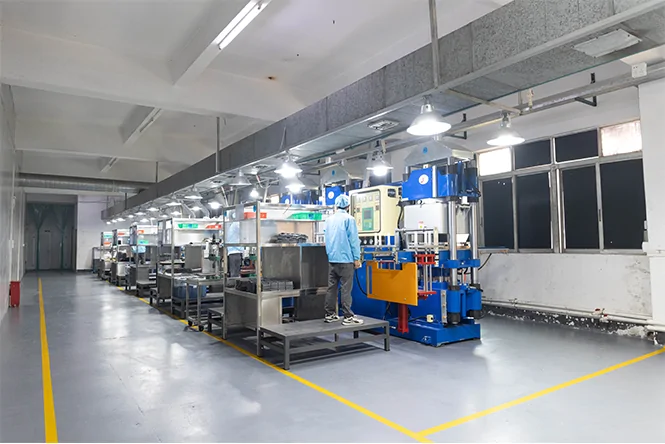
The control plan references the approved drawing, material, color standard, sample, inspection criteria, packaging, documentation, and change-control route.
Review Manufacturing CapabilityReviewer identity, department, date, status, and evidence level remain visible so unsupported approval is not implied.
Specifications are confirmed from the approved design, intended use, manufacturing route, test plan, packaging, documentation, and commercial requirements.
| Specification Area | Buyer Input | Manufacturing Review |
|---|---|---|
| Product and Application | Concept, drawing, sample, age group, intended use, target user, and destination market. | Structure, manufacturability, use-condition questions, mold route, and review scope. |
| Material and Color | Contact conditions, performance needs, color target, cleaning, and customer protocol. | Material options, color approval method, process route, available evidence, and sample plan. |
| Branding | Logo files, decoration, label, insert, language, barcode, warnings, and brand standards. | Method feasibility, artwork inputs, durability review, location, and approval samples. |
| Testing and Documents | Market, retailer protocol, requested tests, declarations, traceability, and document format. | Applicable scope, sample needs, available records, third-party coordination, and revision control. |
| Packaging and Quantity | Estimated quantity, pack format, carton needs, assortment, channel, and launch target. | Packaging feasibility, production-planning inputs, quotation assumptions, and project schedule. |
Final requirements remain subject to product, engineering, quality, testing, documentation, and commercial review.
Yes. A project can begin with a concept, drawing, physical sample, or reference product. Engineering review defines the product structure, material considerations, tooling route, validation plan, and quotation inputs before production commitments.
Material requirements are reviewed against intended age, use and contact conditions, geometry, cleaning method, destination market, and customer or retailer protocol. Final material and evidence scope is confirmed for each project.
Project-specific testing and documentation can be coordinated according to the approved product, material, market, and customer protocol. Available records and required third-party reports are defined during requirement review.
Private-label projects can include project-defined colors, logo application, packaging, labeling, inserts, warnings, and documentation. Existing-product and new-mold routes are evaluated separately.
Useful inputs include the concept or drawing, intended age and use, dimensions, target market, quantity, material expectations, packaging, branding, test protocol, documentation needs, and launch target.
The project control plan may include incoming-material checks, tooling and sample approval, process parameters, in-process inspection, final inspection, traceability, documentation, and release criteria.
Share the age group, intended use, concept or drawing, market, quantity, material, testing, documentation, branding, packaging, and launch requirements currently available.
Suggested project files: PDF, CAD export, drawing, specification, or reference image. Current server upload limit: 100 MB. Final file rules are controlled by the form configuration.
By submitting project information, you acknowledge that Guangdong Huayang Industrial Co., Ltd. processes the RFQ data as described in the Privacy Policy.